When Denver nights drop below freezing, a lot of flatwork crews park the trucks until spring. That leaves general contractors and builders with slabs, drives, and walks holding up the rest of the schedule. Cold weather concrete is not a gamble when it’s done right. Here’s how we pour through the winter and what a GC should expect from a sub who says they can.
Have flatwork that can’t wait for spring? Reserve a winter pour date with CC Concrete LLC →
Why cold is a problem for fresh concrete
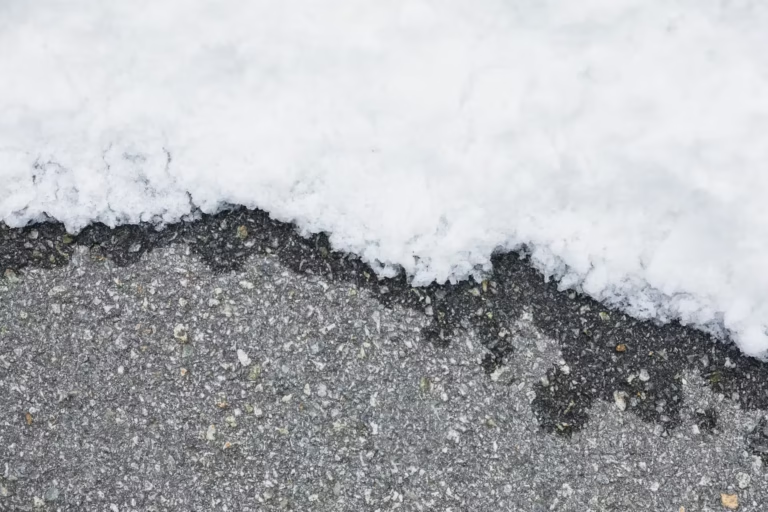
Concrete gains strength through a chemical reaction with water. Below about 40°F that reaction slows dramatically, and if fresh concrete freezes before it has gained enough strength, the surface can be damaged for good. Frozen subgrade causes a second problem: when it thaws, it settles, and the slab goes with it.
Cold weather practice is about controlling both: keeping the concrete warm enough to cure and making sure it never sits on frozen ground.
Our cold-weather procedure
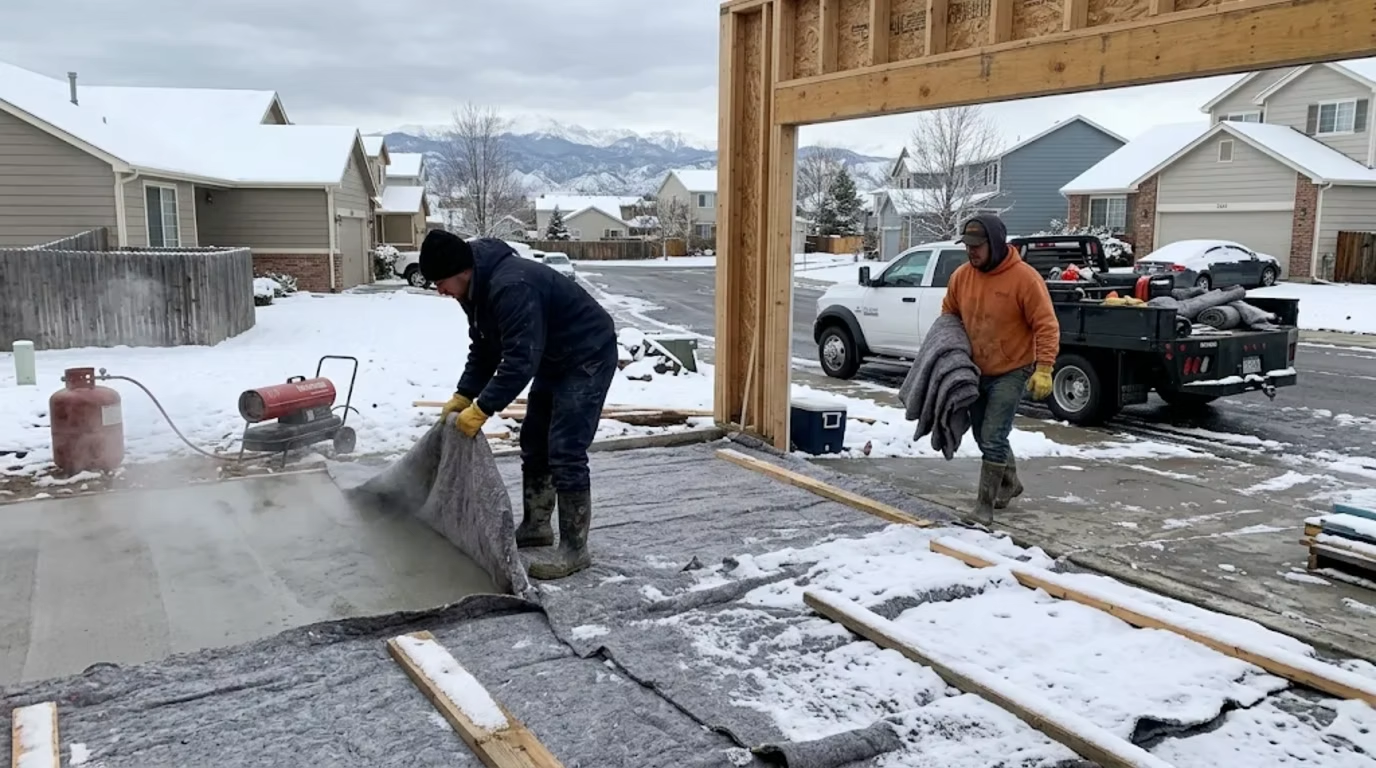
- Heated mix: Hot water and set accelerators so the concrete gains strength in low temperatures.
- Thawed subgrade: Ground heaters run first. We never place concrete on frozen ground.
- Insulated blankets: Slabs stay covered day and night while they cure, usually 3 to 7 days.
- Forecast window: We pick the pour from the 7-day forecast and confirm with you 48 hours ahead.
Air-entrained concrete is part of every exterior pour we do. It gives the slab room to handle freeze-thaw cycles for years after the blankets come off. We explain how winter affects finished concrete in our winter maintenance guide.
What can be poured in winter
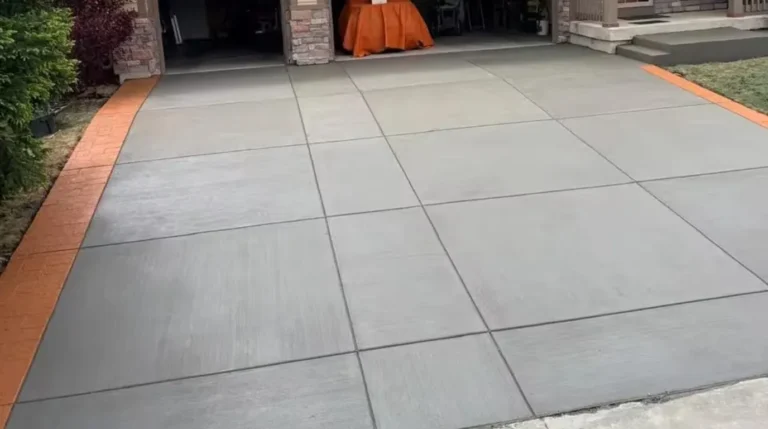
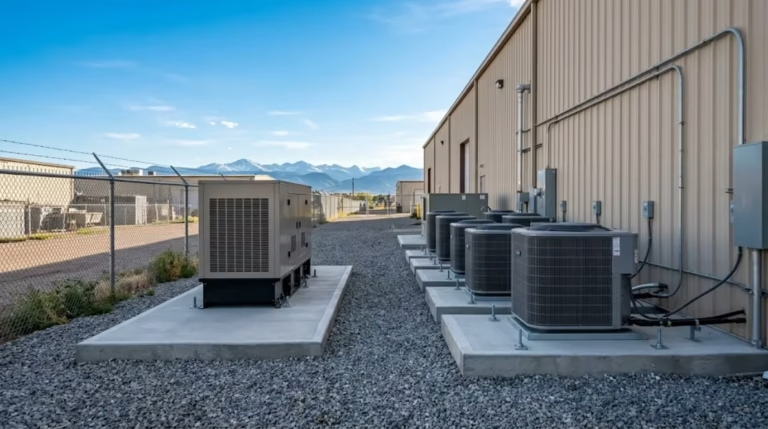
Most exterior flatwork can be scheduled through a Denver winter with these practices: driveways and approaches, garage and shop slabs, sidewalks, curb and gutter, and pads. Interior slabs inside a closed, heated building are the easiest of all.
Decorative work is more sensitive. Stamped and colored finishes need longer working time and steady conditions, so we usually recommend scheduling them on milder days or in spring. We’ll tell you honestly which pours fit the season.
Denver winters also bring stretches of mild, sunny weather between storms. Those windows are when we pour the more demanding work, and why we watch the forecast so closely.
What this means for your schedule
For a GC, a flatwork sub who pours in winter means framing, final grade, and closing don’t have to wait for April. Garage slabs can go in so framing continues, and drives and walks can be finished in time for a certificate of occupancy.
It also means honest communication. If a storm moves the date, we tell you as early as possible and reschedule at no extra cost. Our contractor page shows how to send a scope and reserve a winter date.
Frequently asked questions about winter concrete
Is winter concrete as strong as summer concrete?
Yes, when it’s protected properly. The mix, the warm subgrade, and the curing blankets let it reach its design strength.
Does cold weather concrete cost more?
Heated mixes, accelerators, ground heaters, and blankets add cost. We list them as line items in the bid so you can see exactly what you’re paying for.
How cold is too cold?
It depends on the forecast for the days after the pour, not just pour day. We choose the date from the 7-day forecast and confirm 48 hours ahead.
Can we walk or drive on it sooner in winter?
Curing takes longer in the cold, so plan on a slightly longer wait before heavy traffic. We’ll give you a target date for each pour.
Winter pour dates open now
For over 14 years, CC Concrete LLC has poured flatwork for builders and general contractors across Denver, Thornton, Erie, Brighton, Broomfield, Westminster, Arvada, and surrounding communities, including through the winter with heated mixes, thawed subgrade, insulated curing blankets, and pour dates picked from the forecast.
- Licensed and insured since 2011; COI and W-9 sent with every bid
- Itemized bids within 48 hours of plans, photos, or a site walk
- Crews and equipment for residential and light commercial flatwork
- Air-entrained mixes and cold-weather practices for Colorado conditions
- Heated mixes, ground heaters, and curing blankets
- Pour dates confirmed 48 hours ahead
Winter doesn’t have to stop the job
With the right mix, thawed ground, and proper curing, winter concrete holds up just like concrete poured in summer. It keeps your project moving while other subs wait for spring. Send your scope for a bid →